
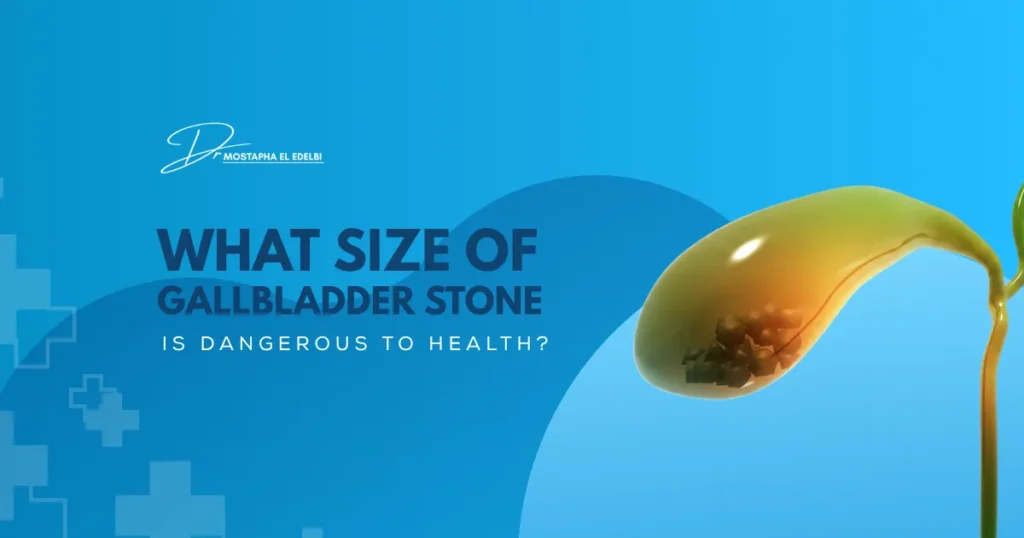
Gallstones are common among people in 2026. However, the stone size varies from person to person based on medical conditions. To answer, what size of gallbladder stone is dangerous, you need to understand the types of stone sizes.
Explore here the stone sizes and risks associated with each size followed by the treatment to seek appropriate medical assistance.
What Are Gall Stones?
Gallbladder is a pear-shaped organ found under the liver. This organ stores a digestive fluid called bile to break down fats in the body. Solid particles found in this organ are termed gallstones formed due to high bilirubin, cholesterol and bile salts.
What Size of Gallbladder Stone Is Dangerous in 2026?
Gallstones can be as small as grains or as large as golf balls. The size ranges between 2 mm to over 5 cm. Gallstones whether small or large can be dangerous and associated wth different risks.
Here are the risks for different sizes of gallstones:
- Small Gallstone (less than 5 mm)
Small stones might enter into the bile duct to block it causing pancreatitis. These gallstones as a result increase the risk 4 times for people affected.
- Medium Gallstone (5 ton 10 mm)
Medium gallstones often cause cholecystitis by obstructing the cystic duct in the gallbladder. As a result, it poses a different type of risk compared to small gallstones.
- Large Gallstones (greater than 2 cm)
One of the major risks of large gallstones is gallbladder cancer. The other risks include Mirizzi syndrome causing bile duct erosion and chronic inflammation.
Notably, the risk associated with gall stone is not restricted to its size; however it is associated with the movement and location of stones.
Symptoms of Large Gallstones
One of the common symptoms of gallstone is pain in the upper right abdomen. You might often experience pain in the centre of the stomach or biliary colic. The other symptoms are as follows:
- Vomiting and nausea
- Bloating in the abdomen
- Jaundice
- Fever
- Dark urine and stools (clay-coloured) indicating blockage in the bile duct
How to Diagnose Gallstone?
Medical practitioners usually conduct a non-invasive test or abdominal ultrasound to detect gallstones. In addition, endoscopic ultrasound (for smaller stone detection), MRI or CT scan (for larger stones), and blood tests are other ways to detect gallstones.
Treatment Options for Gallstones
Gallstones can be treated surgically, non-surgically or with medication. If you are detected with asymptomatic gallstones, changing food habits and lifestyle prevent further development of stones. You need to consume high-fibre and low-fat foods in such a case.
Medications such as Ursodiol and Chenodiol often help dissolve small cholesterol stones. However, it is a time-consuming process to dissolve the detected stones.
In addition, surgical gallstone removal includes laparoscopic cholecystectomy and open cholecystectomy. Based on the size of the stone, doctors recommend the best treatment options.
Final Words
To answer what size of gallbladder stone is dangerous, it should be said that not the size but stone movement and location creates risks. You need to seek proper medical assistance from specialised doctors to treat gallstones and live a healthy life.
Connecting with doctors like Dr. Mostapha El Edelbi can help you with the appropriate medical way to treat your gallstone. You can connect with Dr. Mostapha El Edelbi in Dubai to seek medical assistance and recover from gallstones.
FAQs
- Can small gallstones pass naturally?
Usually, stones less than 2 mm can pass naturally. However, duct blockage and pancreatitis might result from small gallstones which need medical assistance.
- Do gallstones need surgery?
Asymptomatic gallstones usually do not require surgical removal. Gallstones can be treated with medication, diet and non-surgical treatments.
- Can diet prevent gallstones?
High fibre and low fat diets can often prevent gallstones. Further, it can prevent an increase in the number of gallstones in the gall bladder.
- How long do I need to recover from gallstones?
You can recover within a few weeks after gallstone removal surgery. If you are under medication, based on the stone location and treatment progress you can recover within a short time span.
- Do gallstones affect digestion?
Temporary diarrhoea or difficulty in digesting fats can be side effects of gallstone surgery. However, you can recover completely within a short span of time.